Ongoing Research Areas
Digital Anatomy
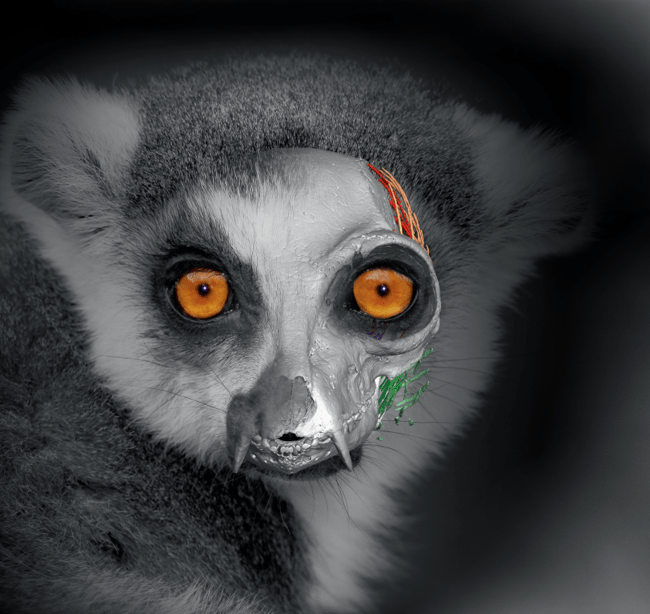
The lab works utilizes many modes of quantitative digital reconstruction – ranging from the development of new algorithmic techniques for in situ myological imaging to comparative paleomorphological analyses of early mammalian taxa via XCT. Our work in this area spans muscle, tendon, teeth, and bone across myriad vertebrate taxa; working both on innovation and application.
Locomotor Biomechanics
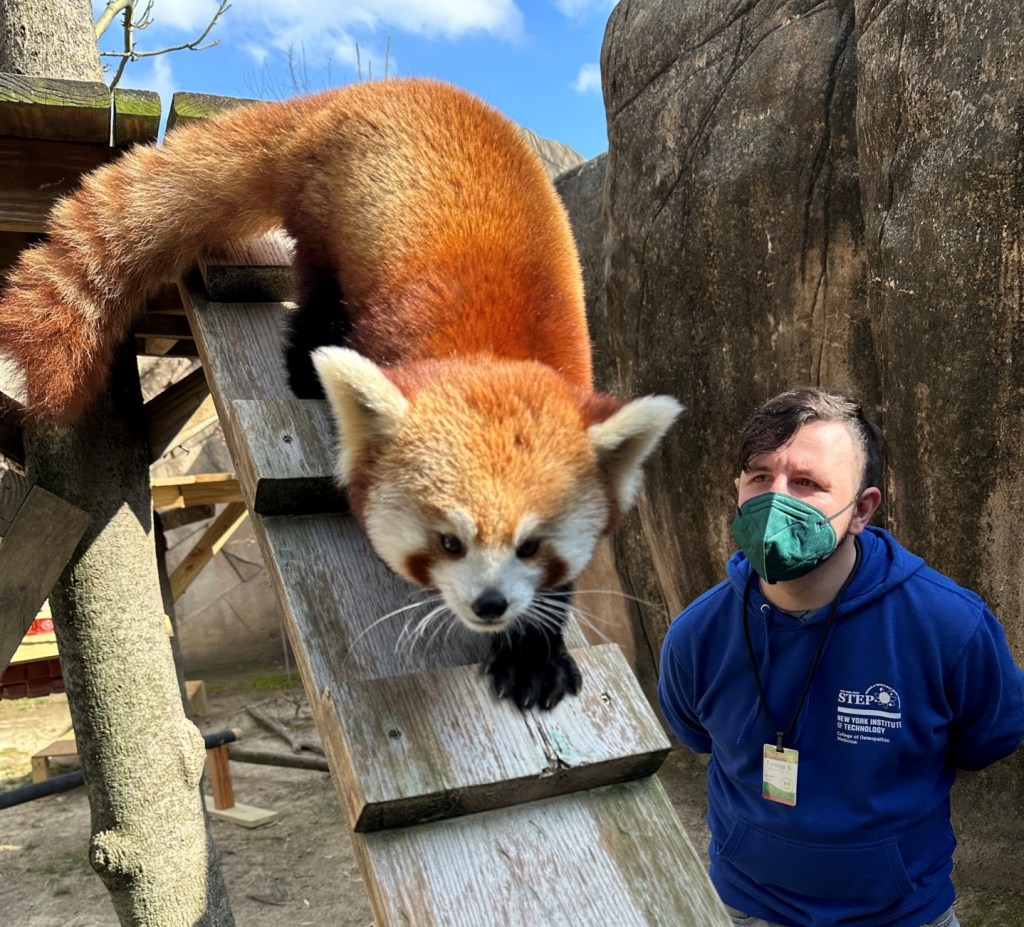
From the forces of bipedal bounding to the idiosyncracies of inverted arboreal gaits, we are working on many projects exploring the forces and spatiotemporal profiles of animal movement. This work combines observational data on body posture and hand usage patterns with experimental work collecting forces from living animals under constrained locomotor conditions.
Musculoskeletal Variation
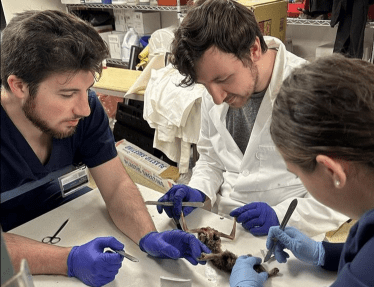
The vertebrate body is hugely variable in size and form – but what drives (and constrains) this variation? We work across many axes of the form-function interface, exploring the consequences of specific musculoskeletal morphotypes on performance, and documenting patterns of osteological and myological variation both within and between species.
Sensory Ecomorphology
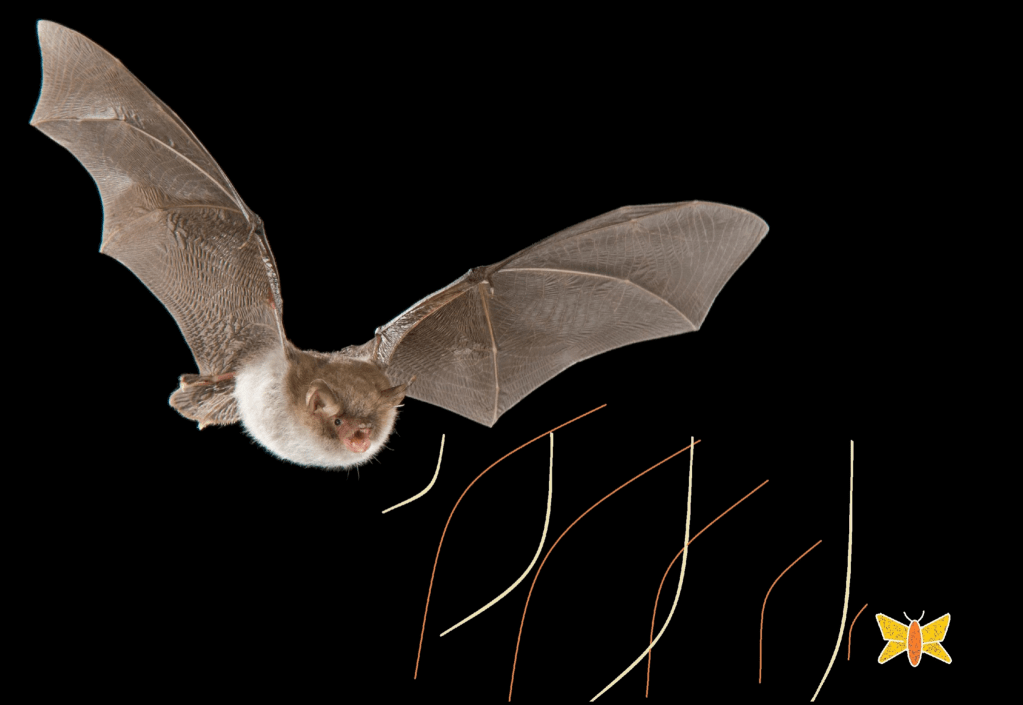
Many mammalian species exhibit highly specialized systems of sensory perception. From the anatomy of echolocation in bats to mechanosensory specializations towards foraging in frugivorous primates, our research examines how the anatomy of these sensory systems reflects optimization towards certain pathways of sensory feedback, and explores the evolutionary history of these systems in a comparative phylogenetic framework.
Ontogeny of Mastication

Throughout postnatal development, the mammalian masticatory apparatus undergoes enormous morphological upheaval. Dental replacement, growth of the craniofacial skeleton, and myological maturation all alter the biomechanical capabilities of this system. Our research explores the functional implication of these anatomical changes, and how key shifts in masticatory morphology reflect species-specific patterns in oral food processing through life.
Stress in the Skeleton
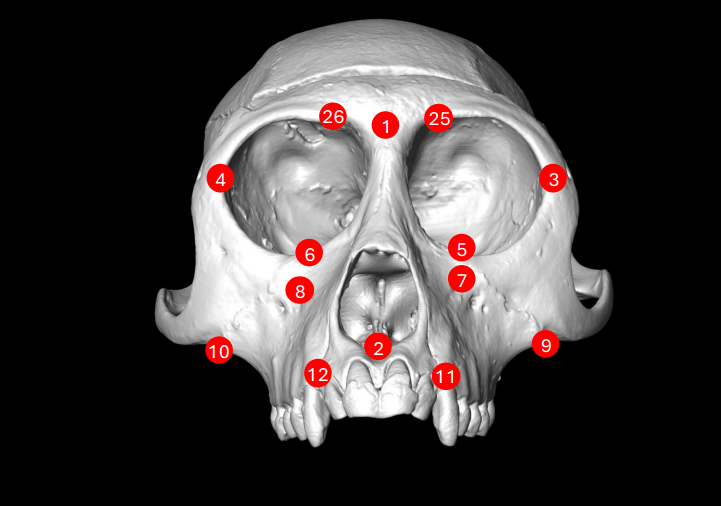
From age-related skeletal degradation to the acute impact of ecological catastrophes, we utilize both microscopic and macroscopic markers of musculoskeletal health to examine how perturbations to typical mechanisms of growth and maintenance ae manifested within the body. This work also explores how such disruptions alter baseline levels of performance and resilience across the musculoskeletal system.